The Double Life of Véronique and the Forced Choice of Freedom: Slavoj Žižek on Chance, Parallel Lives, and Second Chances
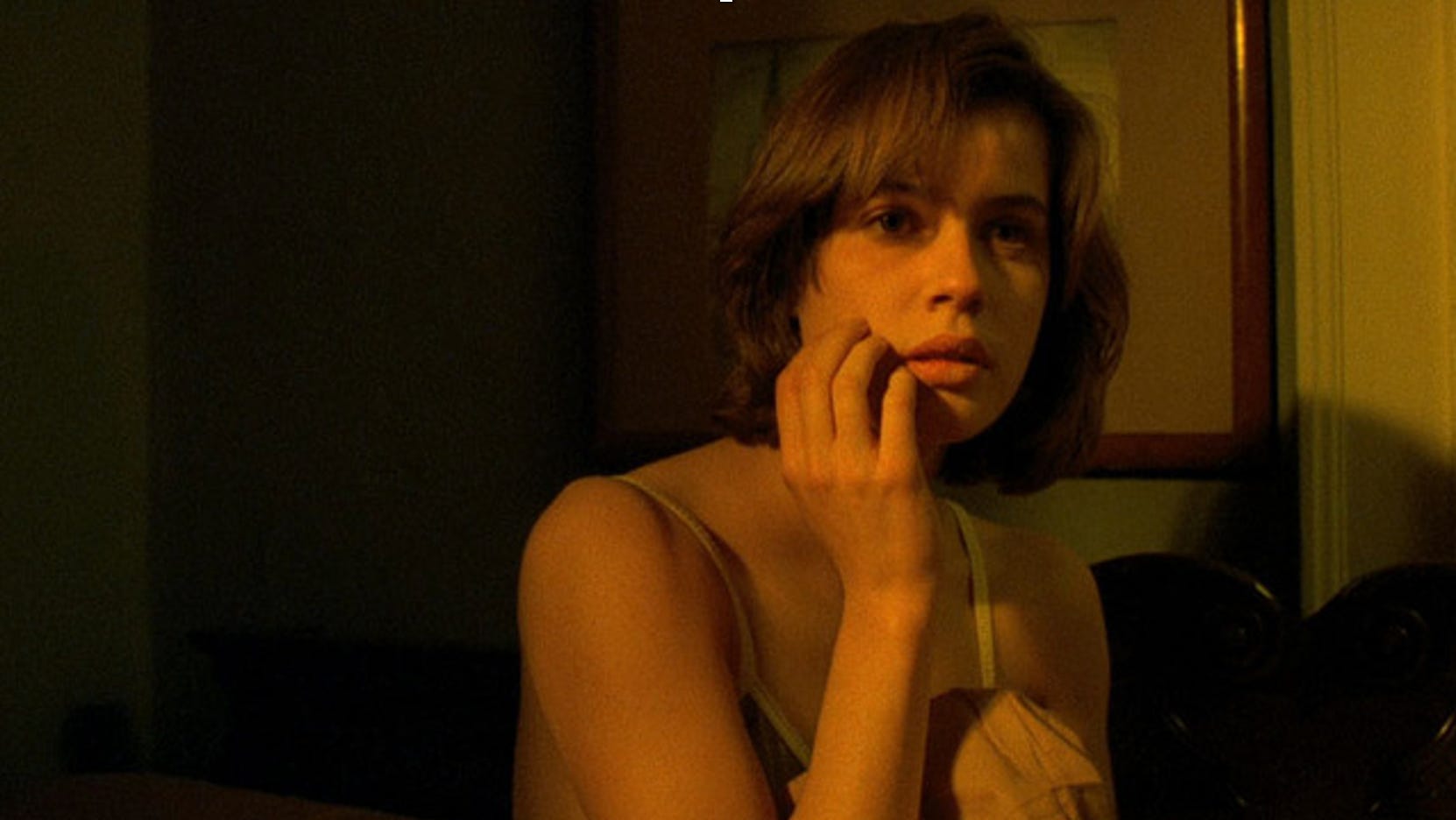
In this essay, Slavoj Žižek revisits Krzysztof Kieślowski’s cinema through the lens of chance, contingency, and parallel lives. Using The Double Life of Véronique as the central example, he argues that modern life increasingly feels like a field of superposed realities, where different possible outcomes continue to haunt the one that actually happens. The film becomes a way to think about missed opportunities, second chances, and the unsettling possibility that another version of life always exists beside our own.
Chance and the collapse of linear narrative
Žižek opens by linking contemporary experience to quantum paradoxes, virtual histories, and the idea that life unfolds through contingent events rather than a single fixed path. He suggests that this perspective challenges traditional linear storytelling in literature and cinema.
Kieślowski as filmmaker of superposed realities
Kieślowski is presented as a director especially attuned to chance, alternate histories, and duplicated lives. Žižek connects this interest to broader cultural ideas about parallel universes and to films that imagine reality as open, fragile, and reversible.
The plot of The Double Life of Véronique
Žižek summarizes the film’s central doubling: Weronika in Poland dies after pursuing singing, while Véronique in France experiences a mysterious loss and gradually senses an unseen connection to another life. Packages, music, and the puppeteer Alexandre help her recognize that the Polish woman’s death has shaped her own choices.
Second chances and repeated choices
One reading of the film is that the second life offers a chance to avoid the first life’s fatal mistake. Žižek extends this idea to Kieślowski’s broader work, suggesting that repetition can function as recovery, allowing a missed opportunity to be taken again in a better form.
A darker interpretation of freedom
Žižek also notes that the same structure can be read more pessimistically. Kieślowski’s use of filters and visual tone suggests that the world of alternatives is not only hopeful but also cruel, emptied of certainty, and marked by the burden of choosing one path while others remain as spectral possibilities.
Key takeaways
- Žižek reads Kieślowski’s cinema through contingency, chance, and alternate realities.
- The Double Life of Véronique is framed as a story about doubling, loss, and second chances.
- The essay argues that repeated choices can be redemptive, but also unsettling and dark.
- Kieślowski’s visual style reinforces the theme that reality is fragile and morally ambiguous.
- The film becomes a meditation on how one life can be shaped by another life never fully known.
Source: Slavoj Žižek, “THE DOUBLE LIFE OF VÉRONIQUE: THE FORCED CHOICE OF FREEDOM,” published March 21, 2026, on Substack: https://slavoj.substack.com/p/the-double-life-of-veronique-the Read the original post on Substack.