
September 12, 2026
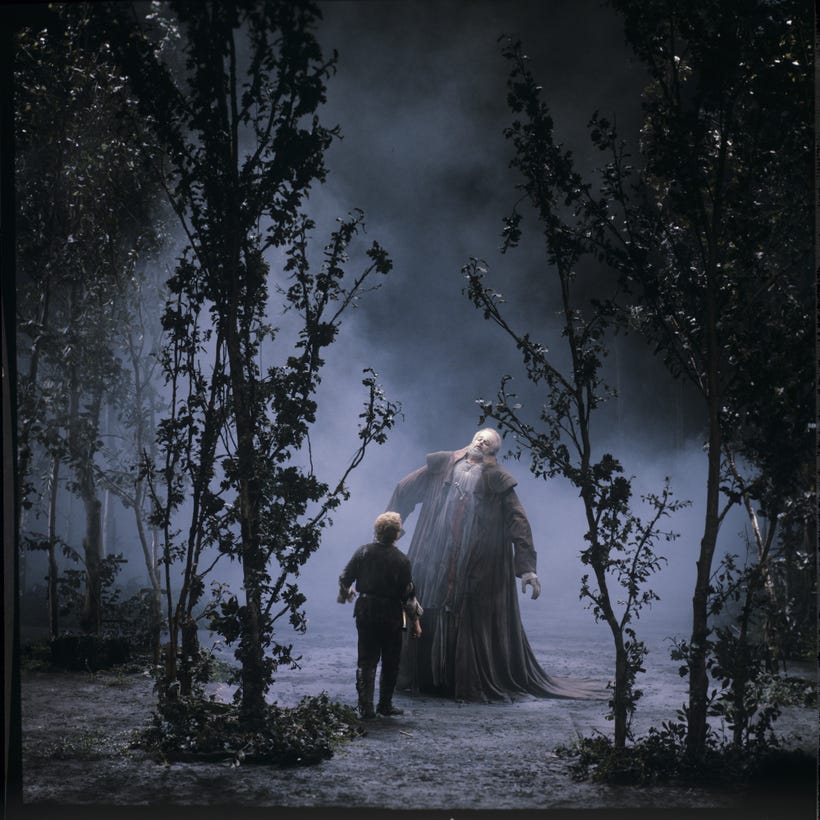
A summary of Slavoj Žižek’s essay on the Nibelungenlied, Hagen von Tronje, and how Wagner’s portrayal anticipates fascist-style total mobilization.
Original: FROM SIEGFRIED TO HAGEN

September 2, 2026
An excerpt from Slavoj Žižek’s essay links China’s bai lan and tang ping trends to broader forms of disengagement, enforced welfare, and the uneasy social order behind apparent stability.
Original: BAI LAN: A REFUSAL TO LIVE LIKE A TURTLE ON ITS BACK

August 26, 2026
Slavoj Žižek argues that containing wars, AI, and ecological breakdown is not enough, and calls for thinking about how capitalism itself must change.
Original: WHY CONTAINMENT IS NOT ENOUGH

August 19, 2026
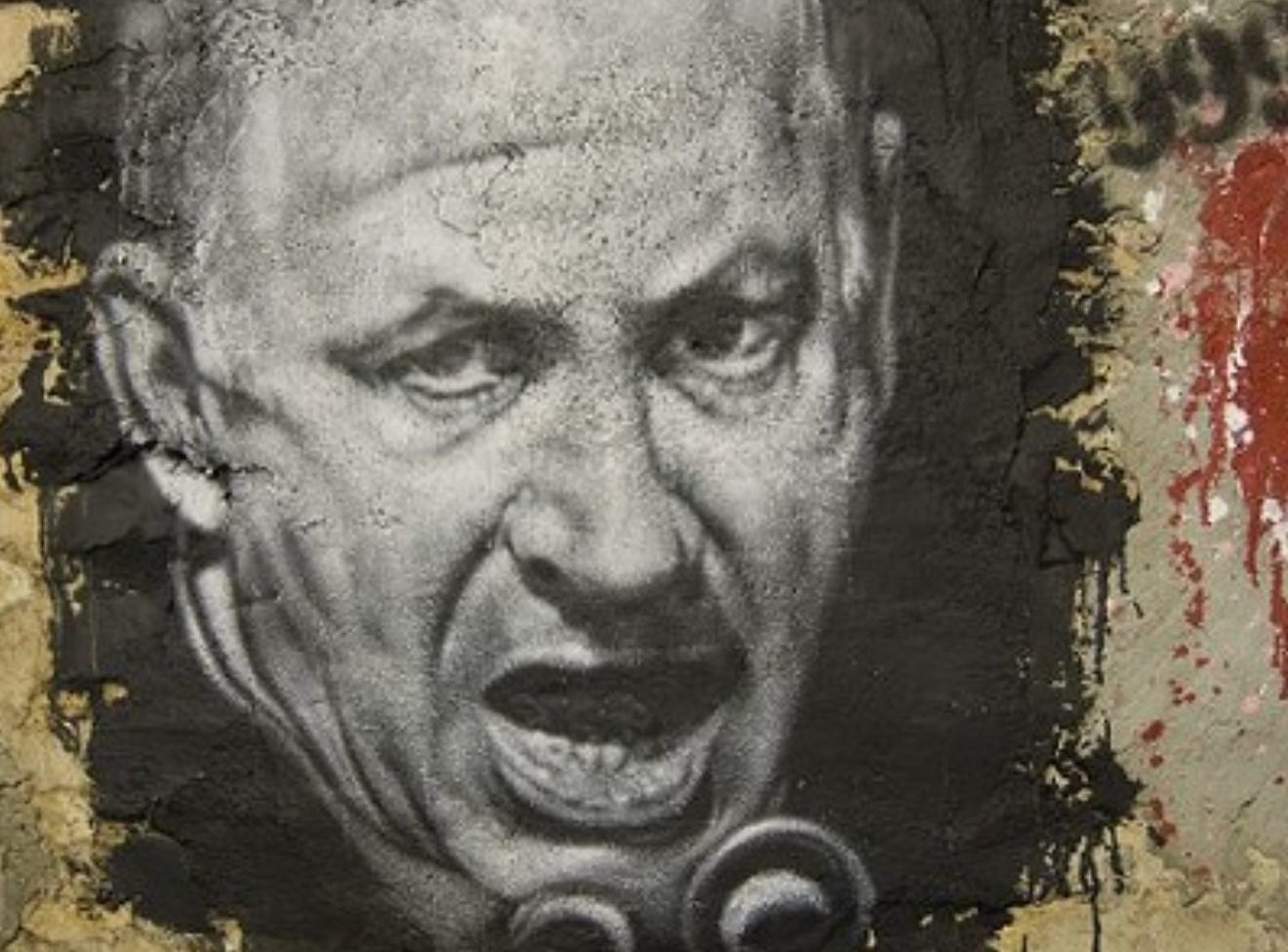
A summary of Slavoj Žižek’s essay arguing that dignity, not just economics, is at the center of justice, protest, and political resistance.
Original: IT’S DIGNITY STUPID
August 15, 2026
A concise summary of Slavoj Žižek’s essay on why “containment” fails as a strategy for war, ecological crisis, and artificial intelligence.
Original: WHY CONTAINMENT IS NOT ENOUGH
August 8, 2026
A critical essay on religion, psychoanalysis, materialism, finitude, Tarkovsky, and apocalypse, exploring how science, sense, and the Real collide.
Original: FROM GNOSTICISM TO DIVINE KENOSIS
August 4, 2026
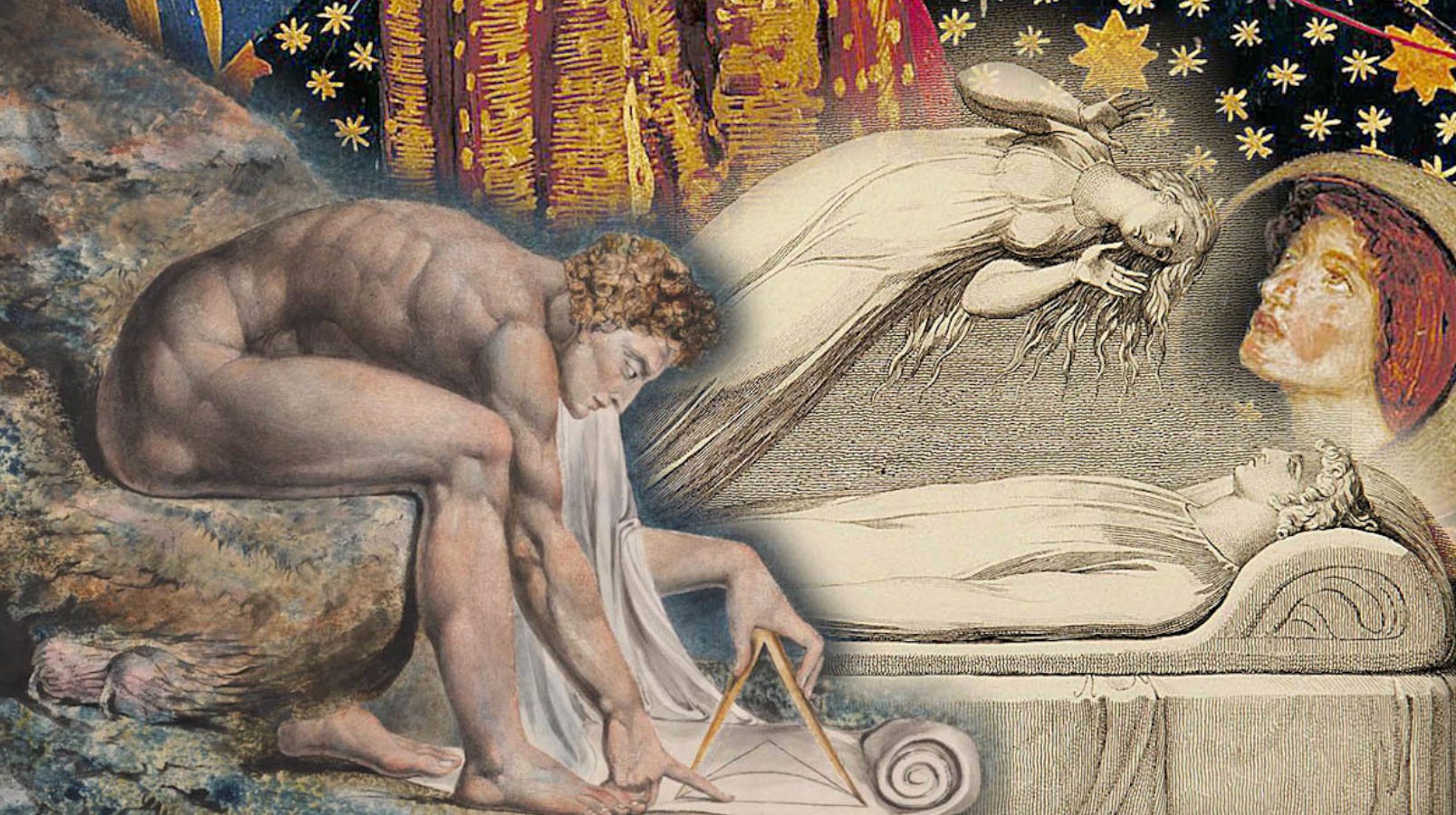
A summary of Slavoj Žižek’s essay on Christopher Nolan’s Odyssey, reading the film as a chamber drama about deception, founding violence, women’s roles, and the shift from heroic antiquity to a modern age shaped by AI and post-truth.
Original: THE ODYSSEY: FINALLY A GOOD CHAMBER DRAMA

August 1, 2026
Slavoj Žižek links Althusser’s idea of football as a small communist space to Zohran Mamdani’s call to arrest Benjamin Netanyahu, arguing that justice and dignity should be defended even in corrupted systems.
Original: IT’S DIGNITY STUPID
July 29, 2026
Slavoj Žižek reflects on the documentary Sarajevo Safari, comparing it to The Act of Killing and using it to examine how violence can be detached from shame, reality, and responsibility.
Original: WHEN KILLING HUMANS BECOMES A SAFARI

July 25, 2026
A reflection on Christopher Nolan’s Odyssey that argues the film works less as a spectacle and more as a chamber drama shaped by scale, depersonalization, and its treatment of women.
Original: THE ODYSSEY: FINALLY A GOOD CHAMBER DRAMA
July 18, 2026
A summary of Slavoj Žižek’s reflection on Sarajevo Safari, the siege of Sarajevo, and the disturbing logic of violence turned into a detached spectacle.
Original: WHEN KILLING HUMANS BECOMES A SAFARI
July 15, 2026
A summary of Žižek’s essay on AI, cyborg theory, and the Cartesian cogito, arguing that the real question is not humanizing AI but recognizing an inhuman subject at the heart of subjectivity.
Original: THE CARTESIAN COGITO AS THE SUBJECT OF AI

July 11, 2026
A reflection on Europe’s 2026 heat wave and how capitalist market logic can turn essential resources like water and air into sources of private riches through scarcity and privatization.
Original: HOW CAN CAPITALISM DEAL WITH A HEAT WAVE?

July 8, 2026
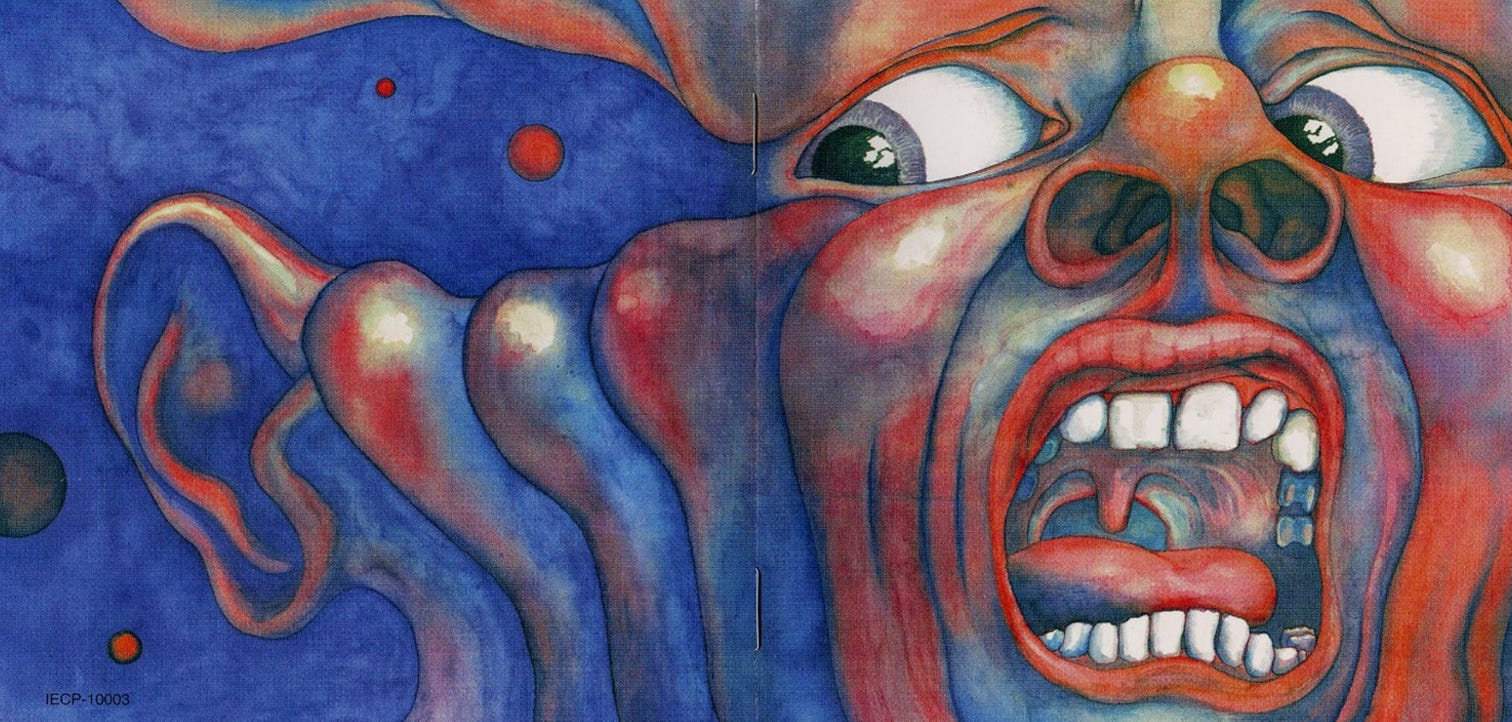
A summary of Slavoj Žižek’s essay linking King Crimson’s album art, AI agents, authority, and the idea of a maternal superego in the digital age.
Original: IN THE COURT OF THE AI KING
July 4, 2026
A concise summary of Slavoj Žižek’s essay linking AI, cyborg theory, Islamic lineage, Confucian order, and revolutionary politics through the idea of the “illegitimate offspring.”
Original: THE CARTESIAN COGITO AS THE SUBJECT OF AI

June 27, 2026
A summary of Slavoj Žižek’s reflection on King Crimson’s In the Court of the Crimson King, AI agents, and the image of manipulation, published on Substack.
Original: IN THE COURT OF THE AI KING
June 17, 2026
A summary of Slavoj Žižek’s argument linking Palantir, AI, censorship, Epstein-era scrutiny, and Melania Trump’s attack on Jimmy Kimmel.
Original: WHY I DISAGREE WITH MELANIA PALANTIR

June 13, 2026
A summary of Slavoj Žižek’s reflections on Europe’s role in the Ukraine war, Peter Sloterdijk’s view of Europe as an observer, and the rise of shameless populist politics around Trump and Vance.
Original: CONFESSIONS OF A MODERATELY-CONSERVATIVE COMMUNIST

June 6, 2026
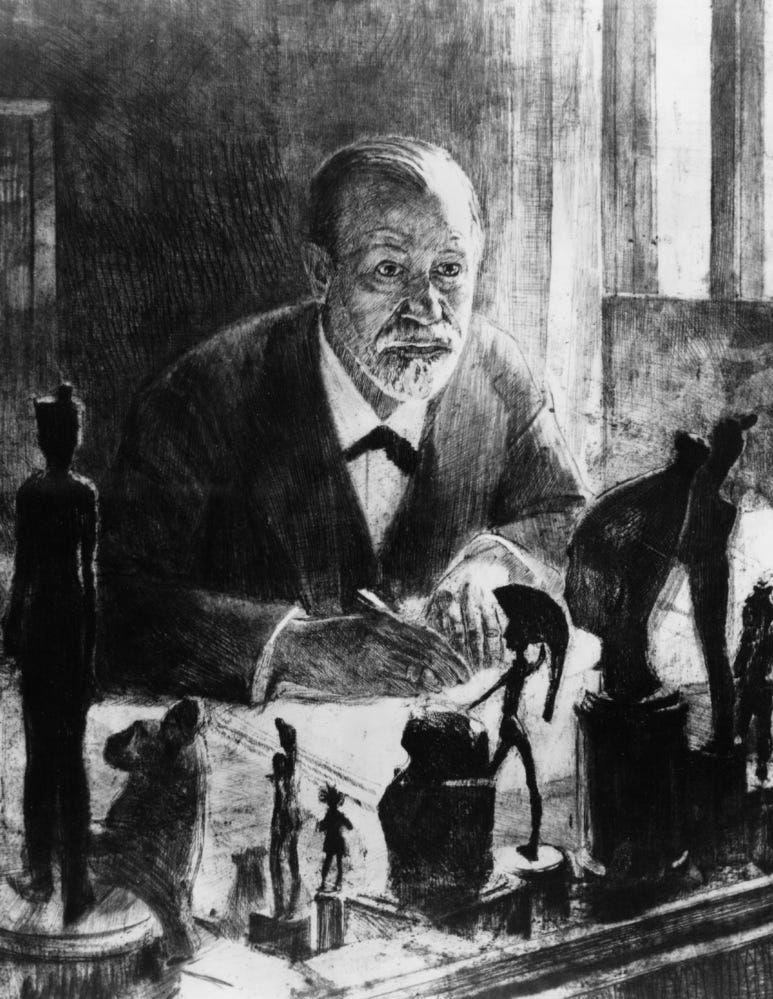
A newly highlighted 1929 letter from Sigmund Freud to Richard Coudenhove-Kalergi is presented as a timely reminder of European unity amid political upheaval.
Original: "I LOVE HIM WHO CRAVES THE IMPOSSIBLE"
May 30, 2026
Slavoj Žižek argues that AI is not a subject but a subjectless system that reveals human alienation, using Lacan, Hegel, and Pluribus to examine AI, discourse, and desire.
Original: WHY ARTIFICIAL INTELLIGENCE IS NOT A SUBJECT

May 27, 2026
A summary of Slavoj Žižek’s Substack essay responding to Anton Alikhanov’s remarks about Kant, Western pragmatism, responsibility, and the Ukraine war.
Original: SHOULD DEEDS REALLY MATCH THE WORDS?

May 23, 2026
A summary of Slavoj Žižek’s critique of Palantir’s Technological Republic points, focusing on AI’s ties to military power, Silicon Valley’s political role, and debates over religious belief and intolerance.
Original: WHY I DISAGREE WITH MELANIA PALANTIR
May 20, 2026
Slavoj Žižek reflects on claims that Israeli military leader Roman Gofman drew on his work, arguing that state power can violate its own laws while using “law and order” as a tool of domination.
Original: WHEN TO OBEY LAW AND ORDER IS A TRUE SUBVERSION

May 16, 2026
A summary of Slavoj Žižek’s response to Anton Alikhanov’s comments on Kant, Western values, and the war in Ukraine, focusing on irony, ideology, and responsibility.
Original: SHOULD DEEDS REALLY MATCH THE WORDS?
May 9, 2026
Žižek reflects on claims that a future Mossad chief drew on his ideas, using the example to examine how Israeli state power, settlers, and secret services relate to law, occupation, and political duplicity.
Original: WHEN TO OBEY LAW AND ORDER IS A TRUE SUBVERSION
May 2, 2026
A summary of Slavoj Žižek’s response to a review of Carlo Rovelli’s upcoming book, focusing on Kierkegaard, subjectivity, and the comparison between quantum physics and philosophy.
Original: ROVELLI’S KIERKEGAARD

April 24, 2026
Slavoj Žižek responds to criticism of his views on immigration, arguing that today’s global order is already violating its supposed limits and that the Left must rethink its strategy.
Original: "IF UNITED EUROPE IS DEAD, EVERYTHING IS ALLOWED"



April 8, 2026
A summary of Slavoj Žižek’s argument that Peter Thiel’s anti-government, pro-monopoly worldview mirrors the fears he projects onto others, and how Girard, Lacan, and vocation offer a different reading of desire and power.
Original: CONCLUSION: WHO IS THE ANTICHRIST TODAY

April 4, 2026
A summary of Slavoj Žižek’s Rome speech on the European Union at 70 years, exploring Gramsci, Benjamin, Trump, Russia, and the idea of a looming civilizational collapse.
Original: EUROPEAN UNION, SEVENTY YEARS LATER

March 28, 2026
A summary of Slavoj Žižek’s critique of Peter Thiel’s antichrist framing, focusing on tech regulation, globalization, surveillance, and Silicon Valley power.
Original: CONCLUSION: WHO IS THE ANTICHRIST TODAY
March 25, 2026
A Slavoj Žižek-style essay links Trump’s ‘covfefe’ and ‘winning’ rhetoric to Lacan’s ideas of sinthom, superego injunction, and surplus-enjoyment.
Original: TRUMP AS A READER OF LACAN


March 18, 2026
A summary of Slavoj Žižek’s essay on Iran, the Mahsa Amini protests, US-Israeli strikes, and the role of Heidegger, Habermas, and Kant in Iranian political thought.
Original: IRAN FROM HEIDEGGER TO KANT