Solutions, Yes — But How Do We Get There? Slavoj Žižek on Ecology, AI, War, and Dignity
In this essay, Slavoj Žižek argues that modern crises cannot be met with shallow calls for survival, sustainability, or isolated local fixes. Drawing on examples from climate change, AI governance, nuclear deterrence, and political ideology, he claims that the real problem is not a lack of diagnoses but the absence of institutions strong enough to act globally. Žižek questions whether ecological reform, digital regulation, or anti-war ethics can work without a broader political transformation, and suggests that dignity, not just economics, now drives much of contemporary conflict and protest. The essay frames today’s situation as one in which solutions often already presuppose the political victory needed to implement them.
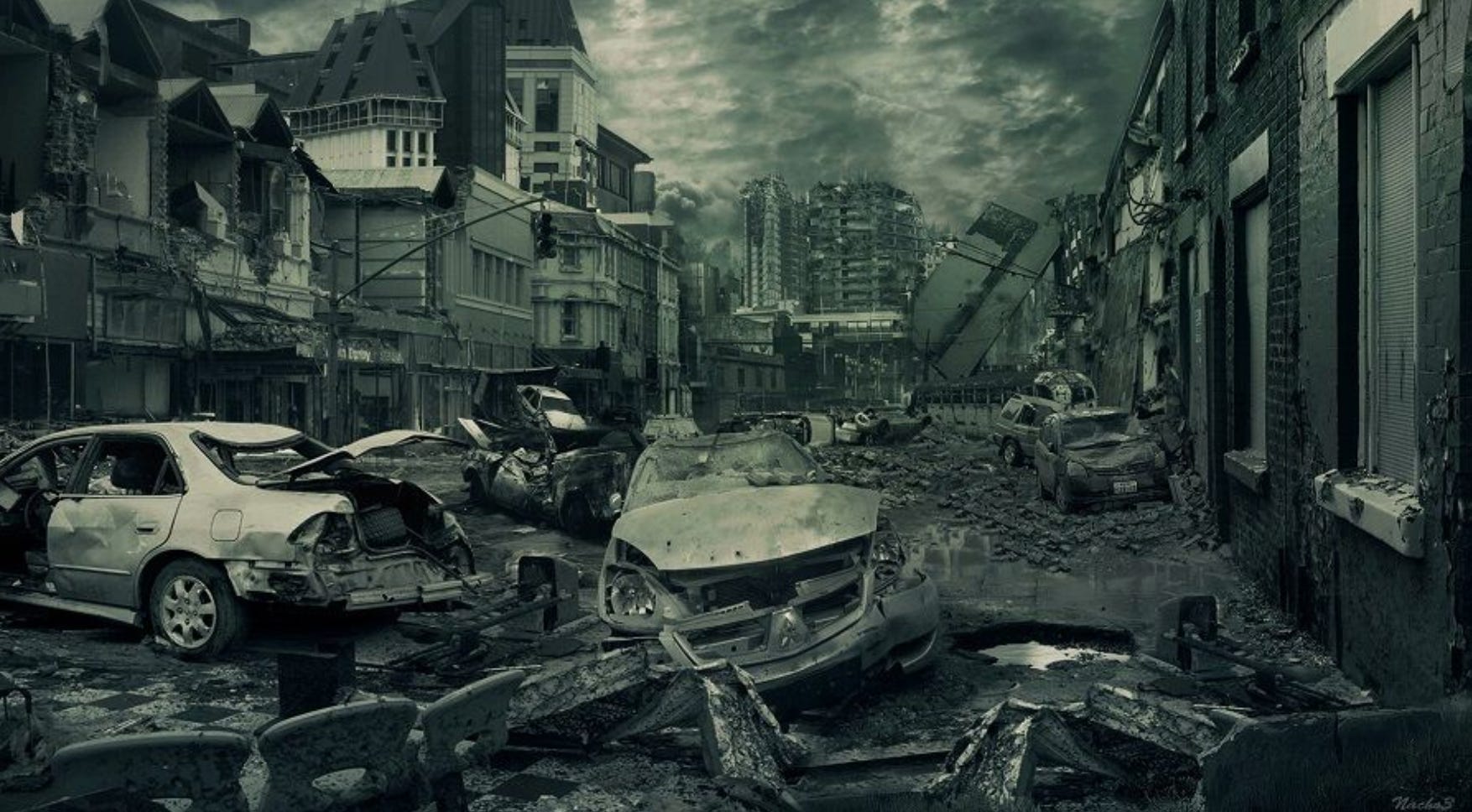
Apocalypse as a slow process
Žižek contrasts dramatic visions of catastrophe with slower, ongoing forms of collapse such as climate change, infrastructure breakdown, and social barbarization. He treats this as an ideological problem as much as a material one.
AI, global control, and missing institutions
He notes that even tech leaders now call for global control of AI, but argues that no real institution exists to enforce such control or assign responsibility if things go wrong.
The paradox of global solutions
Using Thomas Piketty and ecological politics as examples, Žižek says many proposed fixes assume a global power structure that does not yet exist. In his view, the solution often depends on the prior existence of the very authority needed to implement it.
Degrowth and centralized planning
He engages Kohei Saito’s degrowth arguments sympathetically but critically, suggesting that meaningful ecological transition would require stronger centralized planning than municipal or cooperative initiatives alone can provide.
No privileged emancipatory subject
Žižek questions the idea that any single class or group is naturally the agent of change. He broadens the political field to include exploited and oppressed groups while stressing that no group is automatically innocent or emancipatory.
Ethics, survival, and dignity
The essay argues against reducing politics to survivalism. Žižek claims that dignity and recognition are central demands in both right-wing and left-wing movements, and that ethics must be answered by stronger ethics, not pragmatic compromise alone.
War, deterrence, and apocalyptic logic
He uses nuclear conflict to illustrate the limits of ethical choice under conditions of mutual destruction, and links this to contemporary rhetoric that accepts destruction if it serves a perceived higher mission.
Key takeaways
- Žižek sees climate, AI, and war as linked crises that require global political capacity, not just moral concern.
- He argues that many proposed solutions assume the power structures needed to enforce them already exist.
- Degrowth and ecological reform, in his view, would need stronger democratic central planning than local initiatives alone.
- He rejects the idea that one social group is automatically the privileged agent of emancipation.
- Dignity and recognition, not just material interests, are central to today’s political conflicts.
Source: Slavoj Žižek, “SOLUTIONS – YES, BUT HOW DO WE GET THERE?” (Substack) — https://slavoj.substack.com/p/solutions-yes-but-how-do-we-get-there-d6a Read the original post on Substack.