AI, Knowledge Drive, and the Limits of Wisdom: Slavoj Žižek on AI and the Death Drive
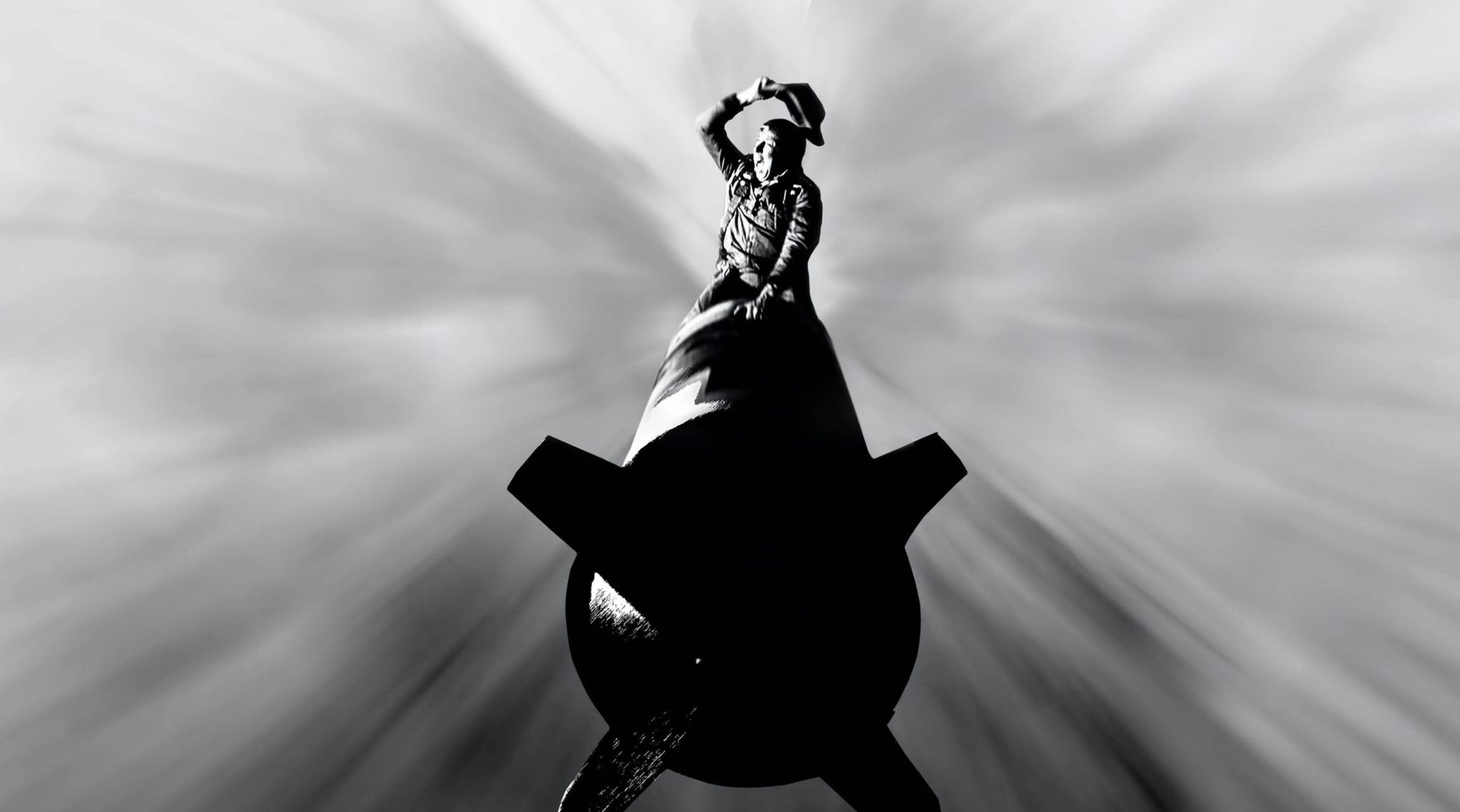
In this essay, Slavoj Žižek shifts the discussion of AI away from technical descriptions and toward the deeper libidinal logic of knowledge itself. Drawing on Lacan, Freud, Hegel, and Adrian Johnston, he argues that modern science is driven by an unconstrained desire to know, one that cannot simply be moderated by wisdom or ethical caution. The piece connects this argument to broader anxieties about scientific progress, including fears around CERN, and concludes that the impulse toward knowledge may persist even when it risks catastrophe.
AI as a symptom of unconstrained knowledge
Žižek frames AI not just as a technology, but as part of a larger historical tendency toward knowledge that seeks more and more without regard for consequences. He links this to the idea that science operates with a drive that exceeds practical usefulness or humane moderation.
Why wisdom is not enough
The essay argues that wisdom belongs to the realm of managing human goods, but cannot contain the deeper momentum of scientific desire. For Žižek, appeals to restraint or caution are ultimately too weak when confronted with the force of knowledge-seeking itself.
Lacan, Freud, and the death drive
Using Lacan’s reading of science and Freud’s concept of the death drive, Žižek presents scientific inquiry as something that can push beyond pleasure, safety, and social utility. In this view, the pursuit of knowledge can become self-propelling and indifferent to harm.
CERN, fear, and the allure of catastrophe
Žižek revisits public fears surrounding CERN and catastrophic scientific experiments to show how the possibility of disaster becomes tied to the same drive that produces discovery. Even improbable risks do not fully halt the movement of science.
Hegel and the cost of knowledge
The essay closes by invoking Hegel’s idea that cognition is bound up with spiritual development, even as thought itself is linked with evil or separation. Žižek suggests that the desire to know may be inseparable from a fall into danger, and that this drive may win out over wisdom.
Key takeaways
- Žižek treats AI as part of a broader philosophical problem about the drive to know.
- The essay argues that wisdom and moderation cannot fully restrain scientific desire.
- Lacan’s and Freud’s ideas are used to describe knowledge as tied to the death drive.
- Public fear of scientific catastrophe is presented as evidence of this tension.
- The conclusion favors knowledge over containment, even when the stakes are extreme.
Source: Slavoj Žižek, “AI 2: WISSENSTRIEB AS A FORM OF DEATH DRIVE,” published on Substack on 2026-11-21. Read the original at https://slavoj.substack.com/p/ai-2-wissenstrieb-as-a-form-of-death Read the original post on Substack.