What Bukele’s “Man of God” Claim Reveals About Power and Politics
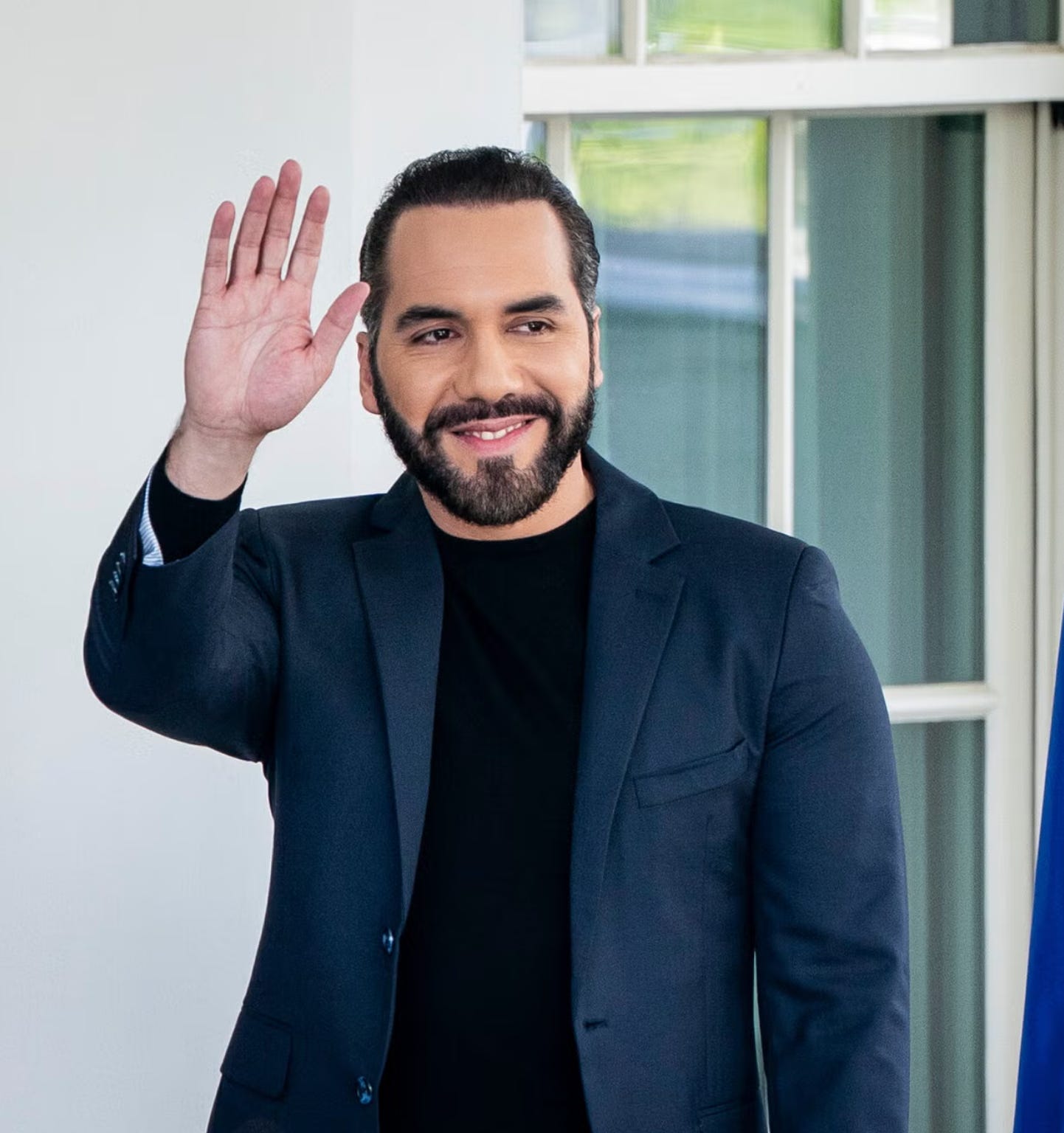
This essay responds to Nayib Bukele’s reported claim that he is “a man of God” and uses it to examine how leaders position themselves above left-right politics, law, and democratic debate. The argument focuses on how such language can function politically: not as a neutral statement, but as a way to justify exceptional power, reject constraints, and frame authoritarian rule as patriotic or religious duty. The piece also compares Bukele with other right-wing figures and warns that short-term results can conceal deeper long-term political damage.
Bukele’s “man of God” self-description
The text begins with Bukele’s reported reply to the author, in which he rejects left-right labels and presents himself as “a man of God.” The author treats this not mainly as a personal joke, but as a political claim with consequences.
Why “above politics” is still political
The essay argues that claiming to be beyond ideology or party labels is itself a right-wing move. In this framing, the leader places himself outside democratic contestation and presents law, debate, and opposition as lesser concerns than order, religion, or nation.
Security, repression, and the use of exception
The piece links Bukele’s harsh anti-gang policy to the broader logic of unrestricted power: when a leader is portrayed as acting through God or national necessity, legal and moral limits are easier to dismiss. The author says this can also obscure backroom political deals and hidden tradeoffs.
Historical and contemporary comparisons
To illustrate the pattern, the text references Francisco Franco’s anti-politics stance and compares Bukele to other right-wing figures such as Javier Milei. These examples are used to show how depoliticization and contempt for opponents recur across authoritarian or ultra-conservative politics.
Theory versus short-term results
The author closes by saying Bukele’s methods may appear effective in practice, but that a deeper theoretical view suggests the long-term consequences could be much more dangerous and unstable than the immediate results imply.
Key takeaways
- Calling a leader “above politics” can be a way of concentrating power, not transcending ideology.
- The essay presents Bukele’s “man of God” language as a political strategy that can weaken legal and democratic constraints.
- Short-term security gains may hide longer-term democratic and social costs.
- The author frames depoliticization as a recurring tactic in right-wing authoritarian politics.
- The piece argues that real political analysis requires recognizing conflict, not denying it.
Source: Slavoj Žižek, “A MAN OF GOD... WHICH GOD?” (Substack), published 2026-11-26. URL: https://slavoj.substack.com/p/a-man-of-god-which-god Read the original post on Substack.